 Uelaris
Uelaris
Uelaris
Building Complete Protein and Micronutrient Status
Published: March 2026 | Reading Time: 9 minutes
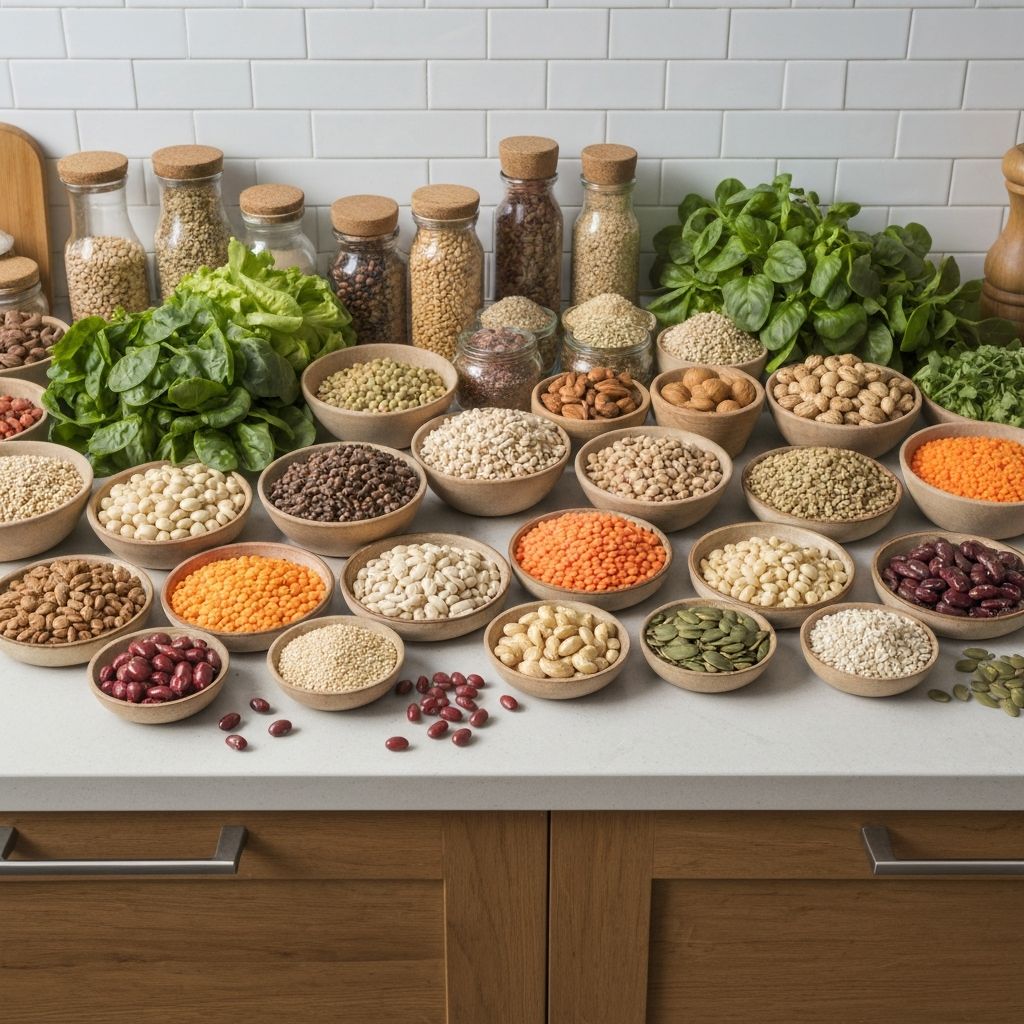
A persistent myth claims plant-based foods cannot provide complete proteins (all nine essential amino acids in adequate ratios). This oversimplification misunderstands amino acid metabolism. Your body maintains free amino acid pools and can synthesize complete proteins from diverse plant sources consumed across meals.
Many plant foods individually contain complete proteins: quinoa, buckwheat, hemp seeds, chia seeds, spirulina. Most require dietary diversity rather than single-food completeness.
Legumes (8-18g protein per cooked cup): Lentils (unique legume with 25g protein per cooked cup), chickpeas, black beans, kidney beans, peas. Combine with whole grains (creating complementary amino acid profiles) or consume alone—your body's amino acid pool handles the synergy.
Whole Grains (3-6g protein per serving): Oats, barley, quinoa, brown rice, farro. While lower in protein than legumes, whole grains contribute meaningfully to daily protein and provide unique amino acid profiles.
Nuts and Seeds (5-10g protein per ounce): Almonds, pumpkin seeds, hemp seeds, chia seeds, walnuts. Nutrient-dense sources providing protein plus healthy fats and micronutrients.
Soy Products (10-25g protein per serving): Tofu (both high- and regular-firm varieties), tempeh, edamame, soy milk. Complete proteins providing all essential amino acids.
Other Vegetables (2-4g protein per cup): Broccoli, spirulina, nutritional yeast. While not protein-primary, they contribute meaningfully.
General recommendation: 0.8 grams protein per kilogram bodyweight for sedentary individuals; 1.6-2.2g per kilogram for physically active or strength-training individuals.
A 180-pound (82kg) active male typically requires 130-180g protein daily. This is entirely achievable with plants:
Adding legume-based sides and additional nuts/seeds easily reaches 130-180g. The key: intentional food combining and strategic supplementation if needed.
Iron: Plant-based iron (non-heme) has lower bioavailability than animal iron (heme). Strategy: consume iron-rich plants (legumes, dark greens, fortified grains) with vitamin C sources (tomatoes, peppers, citrus) to enhance absorption. Cook in cast iron to increase iron content.
Zinc: Plant-based zinc has lower bioavailability than animal sources. Legumes, seeds, and whole grains contain zinc but also phytates that reduce absorption. Strategy: soak/sprout legumes to reduce phytates, consume diverse sources regularly.
Vitamin B12: B12 is primarily available from animal products or fortified foods. Plant-based individuals require either fortified foods (plant-based milks, cereals, nutritional yeast) or B12 supplementation. This is non-negotiable—B12 deficiency causes serious neurological damage.
Vitamin D: Limited plant sources. Many plant-based individuals require supplementation or regular sun exposure, especially in northern climates.
Omega-3 Fatty Acids: Plant-based sources (flax, chia, hemp, walnuts) provide ALA, which converts poorly to EPA/DHA. Consider algae-based supplements for direct EPA/DHA.
Legume Foundation: Make legumes the protein centerpiece rather than supplementary. Aim for legumes at lunch and dinner.
Seed Integration: Add seeds to salads, smoothies, and grains. Hemp and chia provide complete amino acid profiles plus omega-3s.
Whole Grain Emphasis: Choose whole grains over refined. Brown rice, oats, barley, and quinoa provide superior micronutrient and protein density.
Consistent Variety: Different plant foods provide different amino acids, micronutrients, and phytonutrients. Variety ensures completeness.
Supplement Strategically: B12 is mandatory. Consider D3 (from algae or lichen), algae-based omega-3s, and possibly iron/zinc if blood work indicates insufficiency.
Athletes consuming plant-based diets can achieve excellent performance. Key factors: adequate total protein intake, strategic timing relative to training, inclusion of all essential amino acids across daily intake, and adequate micronutrients (particularly iron, zinc, B12).
Some research suggests plant-based athletes benefit from slightly higher protein targets (2g per kg bodyweight) to ensure complete amino acid delivery.
Myth: Plant-based diets require obsessive food combining. Reality: Your body's amino acid pool handles combination across meals.
Myth: Plant protein is inherently inferior. Reality: Adequate diverse plant sources provide complete amino acid profiles.
Myth: All processed plant foods are healthy. Reality: Focus on whole plants (legumes, grains, nuts, seeds, vegetables).
Plant-based nutrition supports excellent health when approached strategically: legume abundance, whole grain emphasis, seed integration, consistent variety, and mindful supplementation where needed (B12 is non-negotiable). The myth of plant-based nutritional inadequacy doesn't survive scrutiny when building diverse, whole-food patterns.
Educational Note: This article is informational. For specific dietary concerns or performance goals, consult with registered dietitian nutritionists.